The journal · Sound of Soma
Sound healing aftercare
The session opens the door - what you do in the next 48 hours decides how far the healing settles in. How to care for yourself after a sound bath, and what is completely normal to feel.
Sound healing aftercare is the set of simple practices - hydration, rest, gentle movement and mindfulness - that help your body integrate a sound bath in the 24 to 48 hours after a session, so the calm lasts longer than the drive home.
A sound bath does not end when the last bowl stops ringing. During a session, therapeutic frequencies slow your brainwaves, switch on the rest-and-restore side of your nervous system, and begin loosening tension and emotion the body has been storing - sometimes for years. That process keeps unfolding for a day or two afterwards.
Think of aftercare as the second half of the session. It costs nothing, takes very little effort, and it is the difference between a nice hour of relaxation and a shift that actually holds.
Before you leave
Right after the session
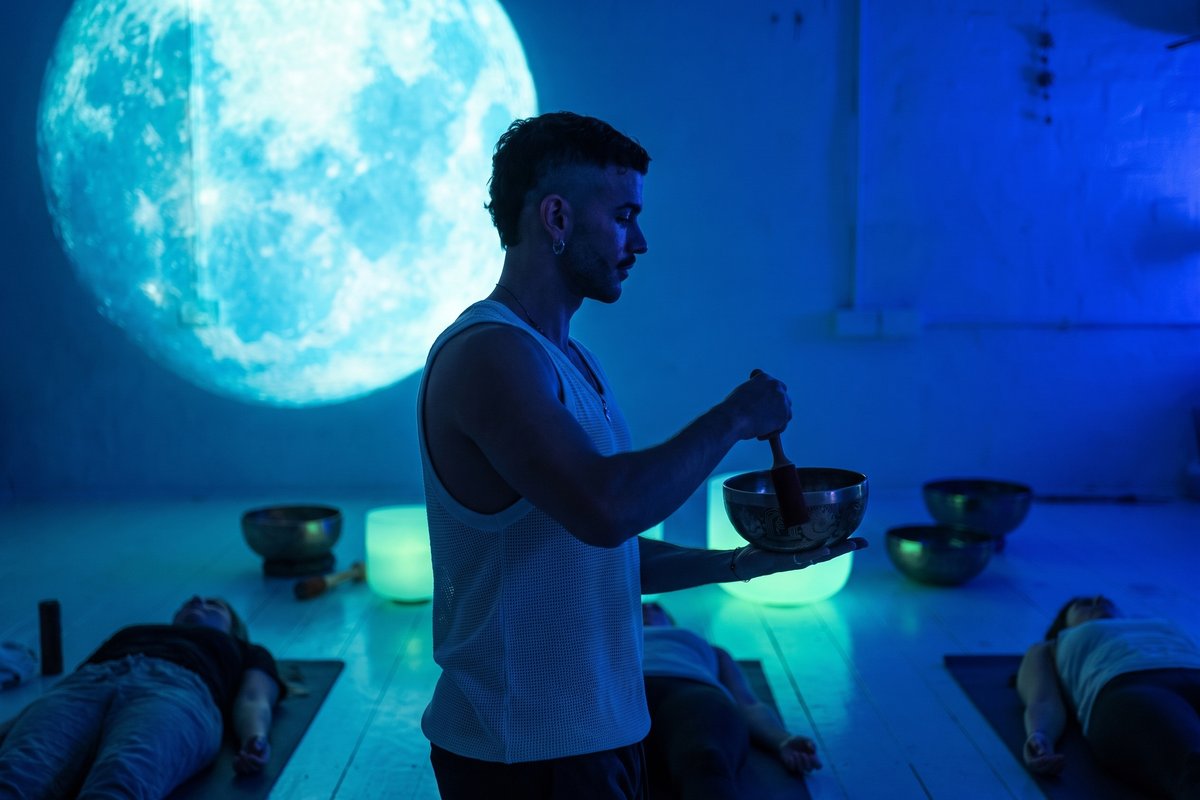
The gentlest part of aftercare starts on the mat. When the session closes, resist the urge to spring up and reach for your phone. Sit up slowly. Take a few breaths. Sip some water. Let the room come back gradually - a few quiet minutes here help everything land.
If you feel floaty or spacey (very common), take extra time before driving. Walk slowly, feel your feet on the ground, and wait until you are fully present before getting behind the wheel.
The golden window
The next 48 hours
Six simple things your body will thank you for:
- Drink more water than usual. Aim for roughly double your normal intake for a day or two. Sound and vibration get things moving - water helps your body flush and process it. Herbal tea counts; coffee does not.
- Rest, and protect your sleep. Deep tiredness afterwards is a good sign - your nervous system finally dropped its guard. Go to bed early; many people report their deepest sleep in months on the night after a session.
- Skip alcohol, caffeine and smoking for at least 24 hours. Your system has just been walked into a calmer state - stimulants and alcohol pull it straight back out and interfere with the emotional processing still underway.
- Eat light, warm and nourishing. Soups, cooked vegetables, fruit, whole grains - easy food while your body does its quiet background work.
- Turn the volume of life down. Avoid crowds, loud music, doomscrolling and back-to-back plans for the rest of the day. A slow evening is part of the medicine.
- Move gently, not hard. Skip the gym for a day. A slow walk, easy stretching, or some intuitive shaking and movement helps the body finish releasing what the session loosened.
The mechanism
What is actually happening in your body
Aftercare makes a lot more sense once you know what the session set in motion. Here is the honest physiology, without the mysticism.
The stress response your body never got to finish
When your brain registers a threat - a deadline, an argument, a diagnosis, a decade of being the reliable one - your adrenal glands release adrenaline and cortisol. Adrenaline is the fast one: heart rate up, blood pushed into the big muscles, breath high and quick, jaw and shoulders braced. Cortisol is the slow one: it keeps glucose available and holds the whole system on alert until the threat passes.
That design is brilliant, and it assumes one thing - that the cycle finishes. An animal runs, escapes, shakes violently, and the mobilised energy discharges. You sit in the meeting, say "all good", and swallow it. The chemistry was released but the movement never happened, so the body has nowhere to put it. Do that a few thousand times and you are not stressed on top of your body any more; you are stressed inside the tissue.
Why it sets into fascia and muscle
Muscles held in low-level contraction for months stop registering as tension and start registering as normal - that is the shoulder you cannot drop, the jaw you keep discovering is clenched. The more interesting part is the fascia, the continuous web of connective tissue wrapping every muscle, bone and organ.
Fascia is alive and adaptive: it remodels around what you do most. Sustained cortisol works against it directly - research on stress and connective tissue links chronically elevated cortisol to reduced collagen production, less hydrated and less elastic fascia, and the formation of adhesions and restrictions between tissue layers that should glide freely. So it is not that adrenaline is sitting in your hip like liquid in a jar. It is that the hormones of a stress cycle that never completed have gradually rebuilt the tissue around the bracing - stiffer, drier, stickier, and holding a posture you no longer need.
Fascia is also dense with sensory nerve endings, which is why releasing it does not just feel physical. It talks straight back to the nervous system.
What the sound is doing
Two things at once. First, the vibration is mechanical: your body is around 60% water, and sound travels efficiently through fluid and fascia. Low frequencies felt in the body activate mechanoreceptors embedded in skin, fascia and muscle, and those signals travel to the brainstem and register as safety - which downshifts sympathetic (fight-or-flight) activity and raises parasympathetic tone.
Second, the frequencies entrain your brainwaves, slowing them from busy beta through alpha into theta, and stimulate the vagus nerve - the main switch of the rest-and-restore system. Heart rate slows. Breath drops into the belly. Cortisol production falls; one randomised study using a monochord recorded roughly a 30% drop in cortisol in patients during sound sessions.
This is the part worth understanding: repair only happens in rest-and-restore. A body stuck in sympathetic mode is spending everything on vigilance and nothing on maintenance. The hour on the mat is not just pleasant - it is an hour of the state your body needs in order to do the work it has been postponing.
The "detox" feeling - what it really is
People often describe the day after a session as detoxing, and something real is happening - though it is worth being accurate about what. Your liver and kidneys are your detox system, and they do that job on their own. What a session actually changes is the conditions they work in:
- Rest-and-digest comes back online. In fight-or-flight, digestion, kidney filtration and repair are all deprioritised. Switch the system over and they resume - which is exactly why so many people notice needing the bathroom more, or their digestion suddenly moving, in the hours after a session.
- Fluid and lymph start moving. Your lymphatic system has no pump of its own - it relies on breath, movement and external pressure. Deep diaphragmatic breathing and vibration through the tissue both help it shift, along with the fluid that was being held in braced, restricted areas.
- Held muscle finally lets go. Tissue that has been quietly contracting for months releases into circulation the metabolic by-products of all that work, and rehydrates as the fascia softens - a genuine physiological change, and a common reason for the mild ache-and-thirst feeling afterwards.
- Stress chemistry clears. As cortisol and adrenaline levels fall away, the body works through the backlog - and that shift is felt, sometimes as tiredness, sometimes as a wave of emotion.
So yes - it is a good sign. Those sensations are the evidence that your body came out of survival mode long enough to start catching up on itself. And it is exactly why the aftercare above matters: water supports the fluid shift, rest gives the repair somewhere to happen, and skipping the stimulants keeps you in the state where all of it can continue.
Further reading: stress-response and cortisol physiology via StatPearls: Physiology, Stress Reaction and StatPearls: Physiology, Cortisol (National Library of Medicine). We describe mechanisms and what clients consistently report - sound healing complements medical care, and nothing here is a diagnosis or treatment claim.
Reassurance
What you might feel - all of it normal
First, something worth knowing: some of this can show up during the session itself. A wave of anxiety, restlessness, sadness or stress rising mid-session does not mean it is not working - it usually means the body has started discharging something it has been holding. Let it move, keep breathing, and let the sound carry it.
Afterwards, everyone integrates differently - and the same person can respond differently session to session. It is also very normal to feel a little worse before you feel better: anxiety, stress or emotional heaviness for a day or two after a session is a common and healthy part of the release. In the day or two afterwards you might notice:
- Deep tiredness, or a surge of energy. Both are common - follow whichever your body asks for.
- Waves of emotion. Tears, old grief, irritability, laughter out of nowhere. Sound reaches what the day-to-day keeps packed away. Let it move through - it is release, not relapse.
- Vivid dreams and deep sleep. The processing continues overnight while your mind files things away.
- Signs of detox. Needing to urinate more, digestive movement, mild headache or thirst. Water helps all of it.
- A brief symptom flare. An existing symptom can feel slightly louder for a day before it settles - it should pass within 24 to 48 hours.
- Heightened sensitivity. Loud places, bright screens and busy crowds can feel like a lot for a day - your senses are simply turned up while the system recalibrates.
- Lightness and clarity. The one everyone hopes for - a quieter mind, softer shoulders, colour back in things.
When to check in: if anything feels intense or has not settled within a couple of days, reach out to us - we are happy to talk it through - and see your GP for anything medical. Sound healing supports your wellbeing; it never replaces medical care.
Going deeper
Integration rituals
None of these are required - but if you want to extend the session's effect, these are what we recommend most:
- A salt bath or mindful shower. That evening, soak in warm water with Epsom or sea salt (lavender or frankincense oil if you like). No bath? A slow shower with the intention of washing away what is not yours works beautifully.
- Journal what surfaced. Within a day, write a few unedited lines - what you felt, what came up, anything you suddenly saw clearly. Insights fade like dreams do; catching them on paper is how they become change.
- Get your feet on the earth. A slow walk on grass or sand, barefoot if the weather allows. Grounding helps the floaty feeling settle into calm steadiness.
- Keep the soundscape gentle. Ambient music, nature sounds, or one of our frequency tracks on YouTube. Save the podcasts for tomorrow.
Between sessions
Mindfulness & meditation - carrying the calm forward
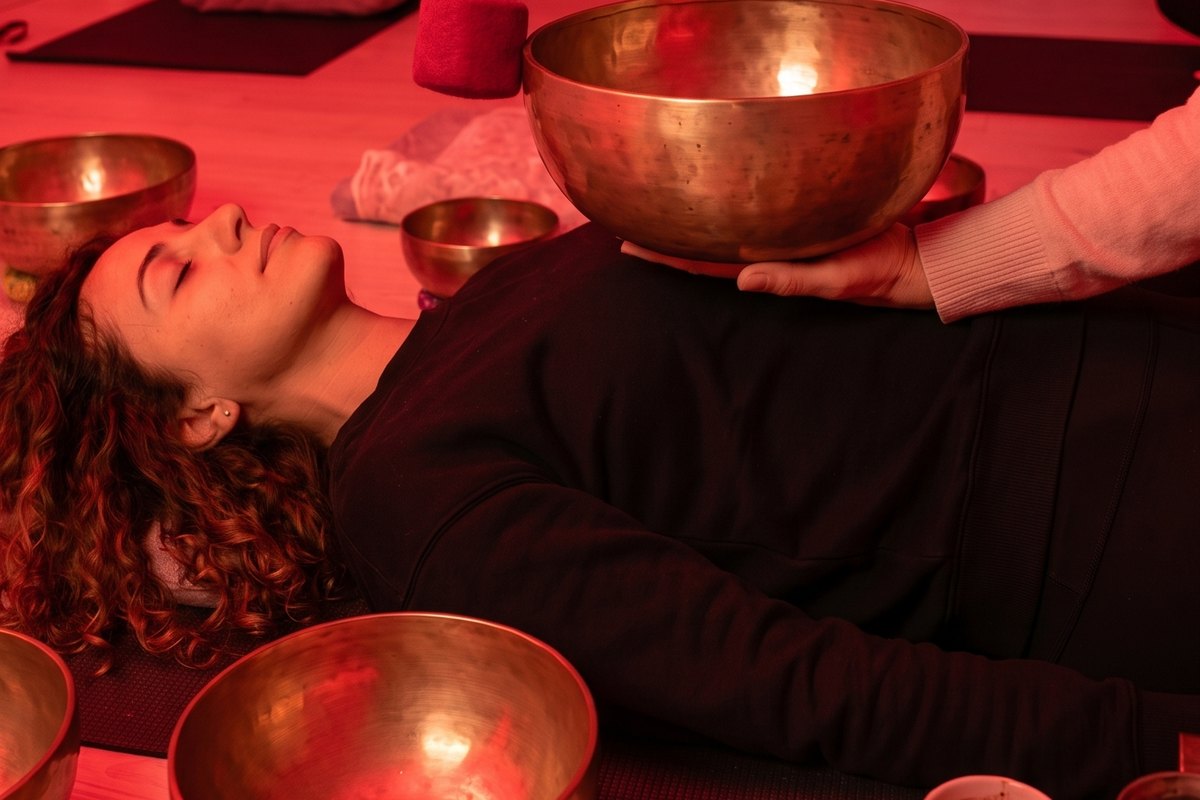
A sound bath gives you something most people chase through years of meditation practice: a direct experience of a genuinely quiet mind. Mindfulness is how you keep finding your way back to it between sessions - and the days after a sound bath are the easiest time to start, because your nervous system already knows the way.
- The long exhale. Once or twice a day, breathe in for four counts and out for eight. The extended exhale is the breath's brake pedal - it activates the same rest-and-restore response the bowls do. Two minutes is enough.
- A five-minute body scan. Lying down, move your attention slowly from feet to head, simply noticing what each part feels like. This is mindfulness meditation at its most natural - and after a session, the body is easy to feel.
- One mindful moment a day. Your morning tea, the walk to the station, the shower - pick one ordinary thing and give it your full attention. Mindfulness is not an hour on a cushion; it is remembering to arrive where you already are.
- Meditate to sound. If silent meditation feels hard (it does for most people), meditate to gentle sound instead - our frequency tracks work like a pocket-sized sound bath. Many of our regulars found their meditation practice this way: the sound bath showed them the destination, and mindfulness taught them the walk.

Beyond the first two days
The week after
A few smaller things that make the week after a session land more gently:
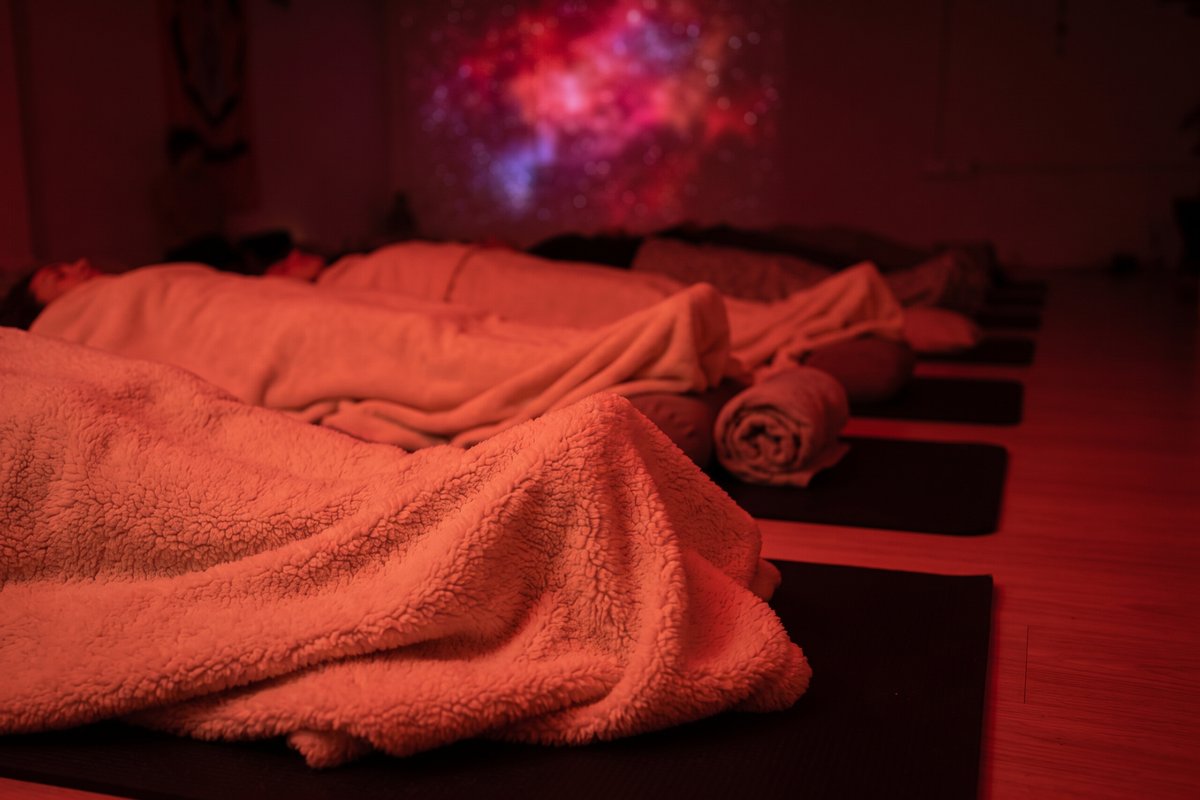
- Honour the nap. If your body asks for one in the days after, take it - deep repair often arrives in instalments.
- Hold off on big decisions for a day. You will think more clearly once everything has settled - give the clarity a day to arrive before acting on it.
- Get morning light and green space. Ten minutes of morning sun or a walk among trees helps the nervous system anchor its new, calmer setting.
- Feed the calm. Magnesium-rich foods - leafy greens, nuts, seeds, dark chocolate - support the muscle and nervous system relaxation the session started.
- Screens off a little earlier. For a few nights, wind down without the phone in bed. The deeper sleep window after a session is worth protecting.
The rhythm
How long it lasts, and when to come back
The immediate afterglow - the calm, the softness, the better sleep - typically lasts one to two days. But the real work is cumulative: with regular sessions your nervous system learns the way back to rest, and the calm starts becoming your baseline rather than a visit.
For general stress and sleep, a weekly or fortnightly sound bath is the rhythm most of our regulars settle into. Working through something deeper - chronic illness, burnout, grief, trauma recovery - more often is not just safe, it is where the change accelerates: many people in a deeper healing season come two to three times a week, mixing regular 1:1 sessions with group classes in between. Each session starts where the last one left off, and the nervous system rewires fastest with that kind of rhythm. Class packs make it affordable - and if you are unsure what rhythm fits where you are, just ask us at the studio.
"Rest is not something you earn by finishing everything. It is something your body has to remember how to do - and every session is a rehearsal."
Upcoming at the studio
Which class next?
Match your next visit to what this session stirred up:
For stress, sleep & switching off
Sound Healing
If the deep rest is what your body wanted more of, come back to the bowls. Four class flavours across the week - pure frequency, nothing asked of you.
Sound healing classes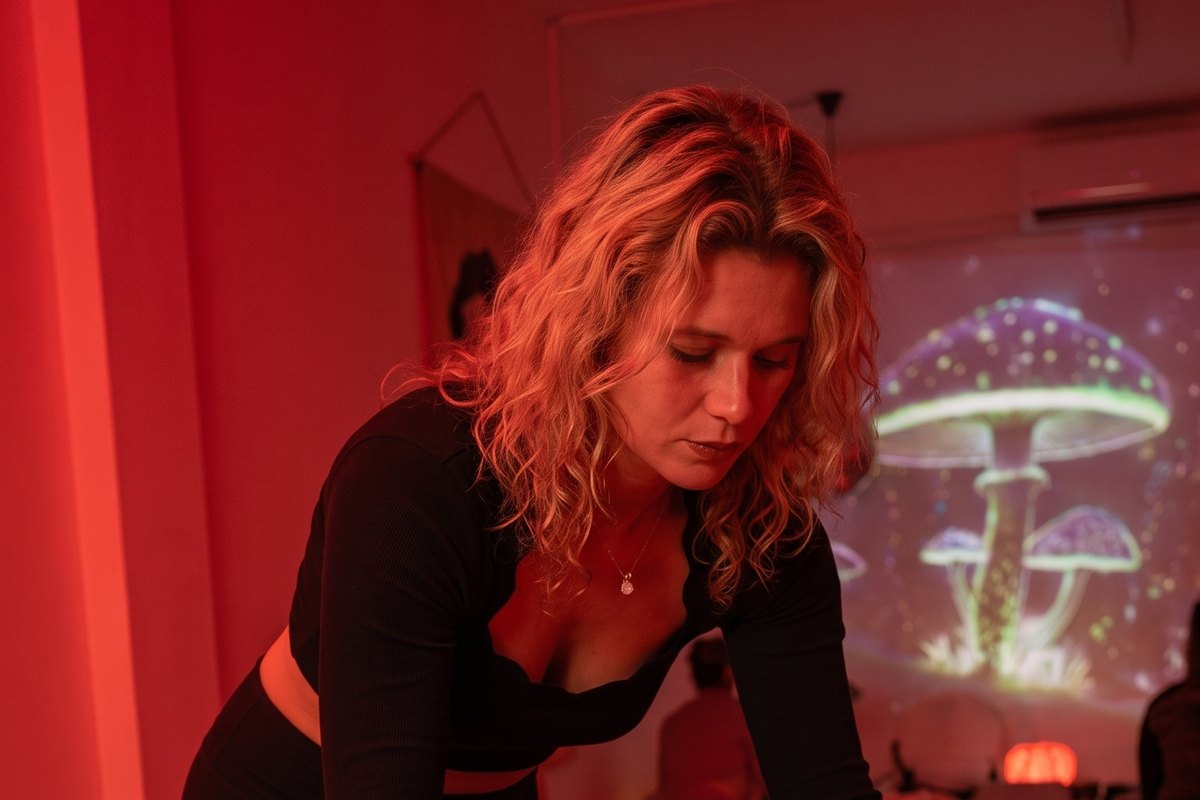
For emotion, letting go & gentle movement
Yin & Sound with Charlie
If emotion surfaced, follow it - long-held yin shapes with Tibetan bowls placed on the body. Letting Go adds ceremonial cacao and journalling.
Yin & sound classes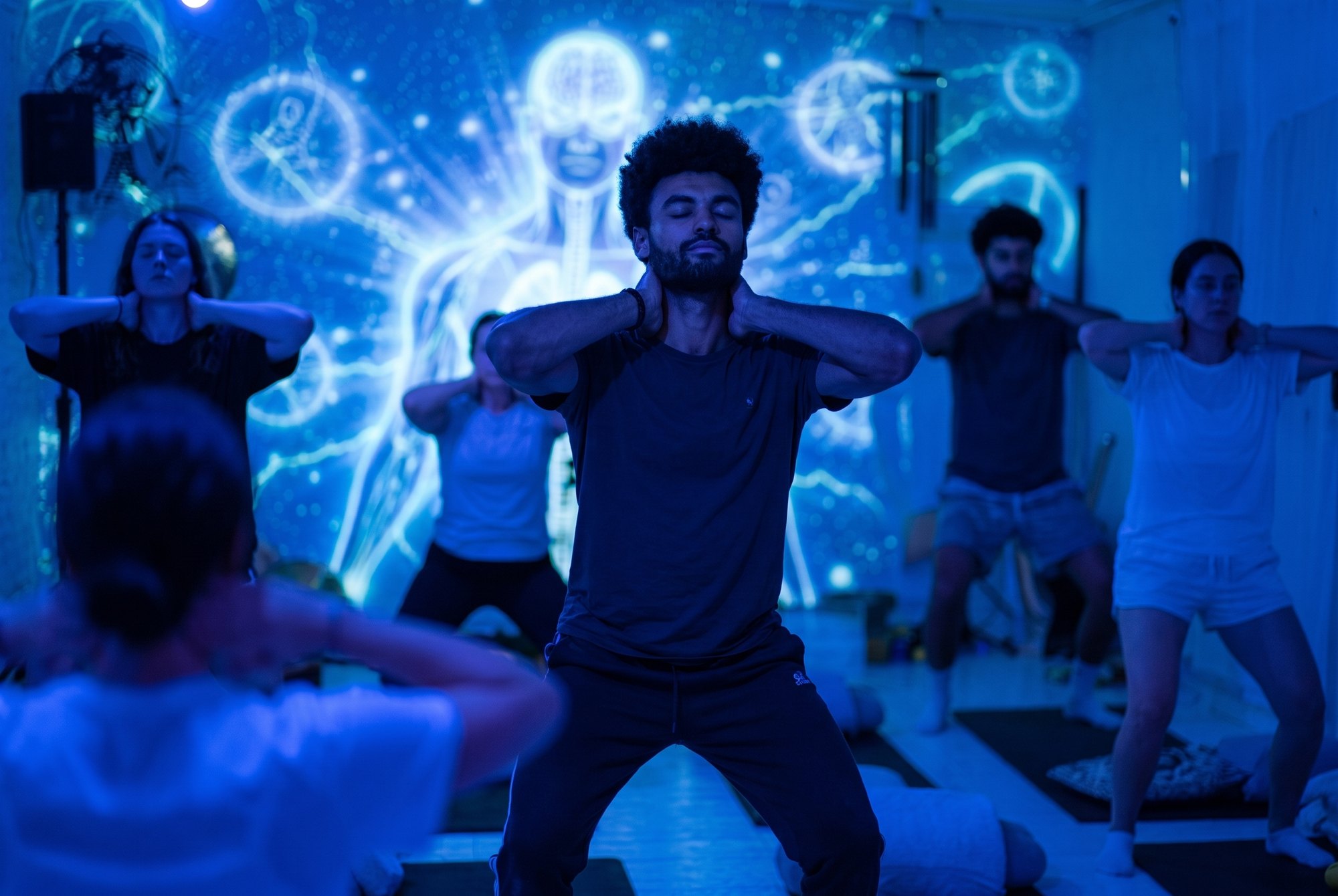
For tension & stored stress
Nervous System Reset
If the session showed you how much your body is holding, work the tissue directly - guided fascia release, sealed with a sound immersion.
Fascia + sound classes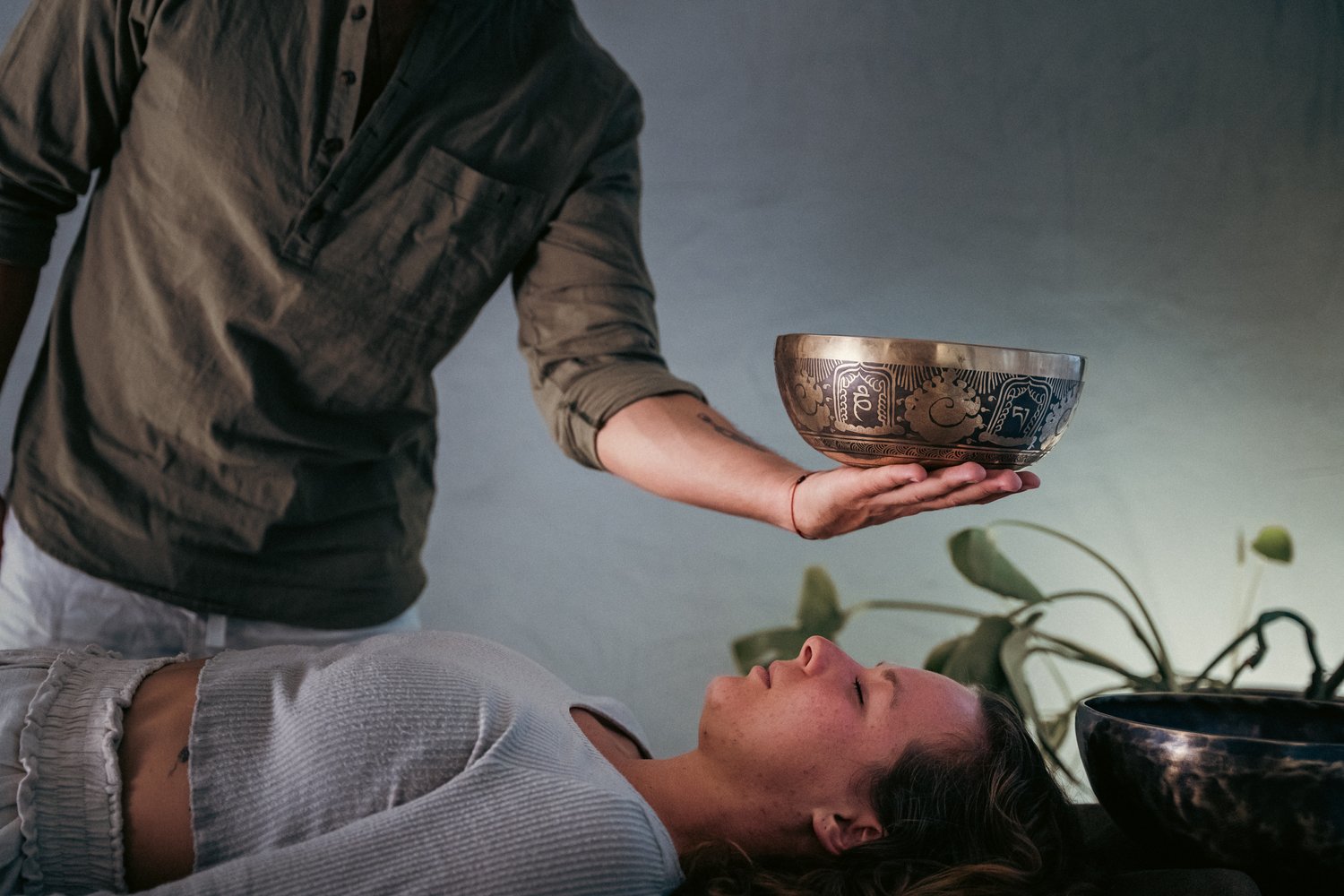
For the deeper work
Private 1:1 Sessions
If something big moved - or keeps not moving - a private session goes after it specifically, calibrated to what your body is holding.
Explore 1:1 sessionsKeep the calm going
Book your next session
Group classes run most days from $35, and private 1:1 sessions from $200. Class packs make the rhythm easy - and the rhythm is where the benefits compound.
Quick answers
Aftercare FAQs
Is it normal to feel worse before I feel better?
Yes - more common than people expect. Anxiety, stress, emotional heaviness, a flare of an existing symptom or a mild headache for a day or two after a session is a normal part of the body processing what was released. It should settle within 24 to 48 hours - if it does not, get in touch with us and check in with your GP.
I felt anxious or emotional during the session - did it not work?
The opposite - it was working. Waves of anxiety, restlessness or emotion rising mid-session are the body beginning to discharge what it has been holding. Keep breathing and let the sound carry it; most people find the wave passes within the session and the rest that follows is deeper for it.
Can I drive straight after a session?
Most people can, but take your time. If you feel floaty, stay in the studio a little longer, drink some water and walk around first. Never drive while you still feel spacey.
How soon can I exercise again?
Give it about 24 hours before hard training. Gentle movement - walking, stretching, easy yoga - is not just fine, it actually helps the integration.
Why am I so emotional today?
Sound reaches emotion the thinking mind keeps packed away, and it often surfaces in the day or two after a session rather than during it. Let it move - cry, journal, rest. It is release doing its job.
How often should I come back?
Weekly or fortnightly for general stress and sleep - most people feel the effects compounding within a month. For deeper or chronic patterns, pair regular 1:1 sessions with group classes in between.
Why do I feel like I am detoxing after a session?
Something real is happening, though it is not toxins being flushed out - your liver and kidneys handle detoxification on their own. What changes is the state they work in. Coming out of fight-or-flight brings digestion, kidney filtration and repair back online (hence needing the bathroom more), lymph and held fluid start moving with the breath and vibration, and muscle that has been quietly contracting for months releases and rehydrates. That is why water, rest and skipping stimulants genuinely help.
How do stress hormones get "stuck" in the body?
Not stuck like liquid in a jar - it is subtler than that. Adrenaline and cortisol mobilise you for action, and the cycle is designed to finish with movement. When it never does, the body holds the bracing instead: muscles stay in low-level contraction, and chronically elevated cortisol reduces collagen production and leaves fascia less hydrated, less elastic and prone to adhesions. Over time the tissue is literally rebuilt around a stress posture you no longer need - which is what sound, movement and fascia work help undo.
Is a sound bath a form of meditation?
It is a guided, effortless one. Traditional mindfulness meditation asks you to train your attention; in a sound bath the frequencies shift your brainwaves for you - which is why it works even for people who "cannot meditate". Many people use sound baths as their doorway into a regular mindfulness practice.
Come and see us
Where to find Sound of Soma
We are a dedicated sound healing and vibrational therapy studio in Windsor, Melbourne - minutes from Chapel Street and a short walk from Windsor Station. The studio is open for booked sessions only, so book ahead rather than dropping in.
Sound of Soma
5/1A Windsor Place
Windsor, Melbourne VIC 3181
- Use Google Maps, not Apple Maps. Apple sends people to the wrong place.
- Windsor Place is a small lane off McIlwrick Street. Walk to the end, past the alleyway - look for the carport and the Sound of Soma sign.
- Park on Chapel Street or a nearby side street and enter via 32 Chapel Street. Please never park on the property.
- Doors open 15 minutes before class and lock 5 minutes after we begin, so arrive with time to settle.
Down a quiet lane in Windsor - once you have found it once, you will always find it.
Stay with us
Follow the studio
Class updates, frequency tracks, behind the scenes from the Windsor studio, and the small reminders to slow down that land right when you need them.
@sound_of_soma
5/1A Windsor Place
Windsor, Melbourne VIC 3181
info@soundofsoma.com.au0489 089 049
Text only. We cannot receive phone calls, so send a message and we will respond as soon as we can.
Use Google Maps, not Apple Maps. Windsor Place is a small lane off Chapel Street, enter via 32 Chapel Street.
Class times change week to week, so check the live timetable before you come.
Sound of Soma acknowledges the Traditional Custodians of Country throughout Australia and their connections to land, sea and community. We pay our respect to their Elders past, present and emerging, and extend that respect to all Aboriginal and Torres Strait Islander peoples today.